Thursday, April 30, 2020

Friday, May 1st: Changes Nature Journal

Optional task: 
Sometime this weekend, listen to this really cool RadioLab podcast on color.  It talks about Isaac Newton and shares really fascinating facts and insights into how and why we see color.  If you don't listen to the whole thing, consider listening to just the first part- until you learn about the mantis shrimp.  If you do listen to it, send me a message with your reaction.  I'd love to know what stood out to you!  
___________________________________
Yay!  It's May!
Celebrate the new month by getting outside for a nature journal.  
(The nature journal is NOT optional. 😀)
For the past several weeks I’ve asked you to go outside and notice different things- senses, shapes, colors, what’s up and what’s down. 

Today I want you to think back on some of the things you’ve noticed on your earlier nature journals and look for how nature has CHANGED over the last few weeks.  

Set a timer for at least 15 minutes and then look around- What’s the same?  What’s different?  You may use words and/or pictures.


 If you don’t notice changes or don’t remember, you can just draw and/or describe anything in nature that stands out to you.


You can print this note-catcher or make your own.
Please send a picture of yourself outside and a picture of your nature journal to Ms. Dolan; adolan@hccs481.org     ms.dolans_science


Tuesday, April 28, 2020

Wednesday, April 29th: What Causes Color?

First: Check your work from yesterday!
Watch this video to check your answers on the 12 EM spectrum questions.  Be sure to email Ms. Dolan if you have questions or bring your questions to today's Zoom meeting.


Is color a real thing?
Today and tomorrow, you will be working to figure out how and why we see color.  You will also learn about why some people don't see color in the same way and how other animals perceive color differently from us. 

Task 1:
Create a note-catcher for yourself on any sheet of paper.  Be ready to write down any new facts you learn about how and why we see colors.


Task 2: 
Watch this video.  Write down any new information you learn.


Task 3: 
Choose at least TWO other resources from the list below.  Watch the videos and/or read the articles.  (You can read/watch more than two!)  Write down any new information you learn.

Live Science: How do we see in color? (reading and video)            

Frontiers for Young Minds: How do we see color? (reading)

8th Grade Science: How we see in color (pictures, videos, and text)

Ted-Ed: How we see color- Colm Kelleher (video)

SciToons: How Do We See Color? (video)


Task 4: 
Answer the following questions.  Write your answers, in complete sentences, below your notes.
1. How much of the electromagnetic spectrum contains waves that are visible to humans?

2. Explain what “colors” are on the electromagnetic spectrum.

3.  Explain how the way light interacts with an object determines the colors we see.

4.  Explain how our eyes and brains determine the colors we see. 

5.  Describe at least two examples of how humans or other animals might see color differently than you do.  

6.  What is something new you learned?


Task 5: 
Send a picture of your notes and your answers to #1-6 to Ms. Dolan.  You have Wednesday and Thursday to complete this task. 

adolan@hccs481.org    ms.dolans_science


Monday, April 27, 2020

Tuesday, April 28th: The Electromagnetic Spectrum

Today your goal is to learn about electromagnetic waves!

First, watch Ms. Dolan's introduction video.  Then read the one-page article and answer the 12 fill-in-the-blank questions.  The color-by-number page is optional!  

When you finish, send your answers to the 12 questions to Ms. Dolan.


Sunday, April 26, 2020

Monday, April 27th: Waves Word Sort

Let's take a day to practice and review what we have learned about waves.

Start by watching these two videos:
     Video 1: Wave Motion | Waves | Physics | FuseSchool:

     Video 2: Transverse & Longitudinal Waves | Waves | Physics | FuseSchool:

Word Sort: 
There is a lot of vocabulary that goes along with understanding waves and their properties.  Let’s practice that vocabulary with a word sort.  Use the article and questions from last week to help you.


Cut out the words and sort them into the five categories at the top of the next page.  Once you have the words sorted, glue/tape them down.  Then take a picture and send it to Ms. Dolan: adolan@hccs481.org     ms.dolans_science

If you can’t print and cut/glue/tape the words, you can just write the words under the appropriate headings.


Check your answers: 
After trying the word sort on your own,  watch this video to check your work and hear explanations.


Send Ms. Dolan a picture of your word sort and let me know how many you got correct before watching the video.  :-)  adolan@hccs481.org   ms.dolans_science
Thursday, April 23, 2020

Friday, April 24th: Nature Journal Day!

It's Nature Journal Day!
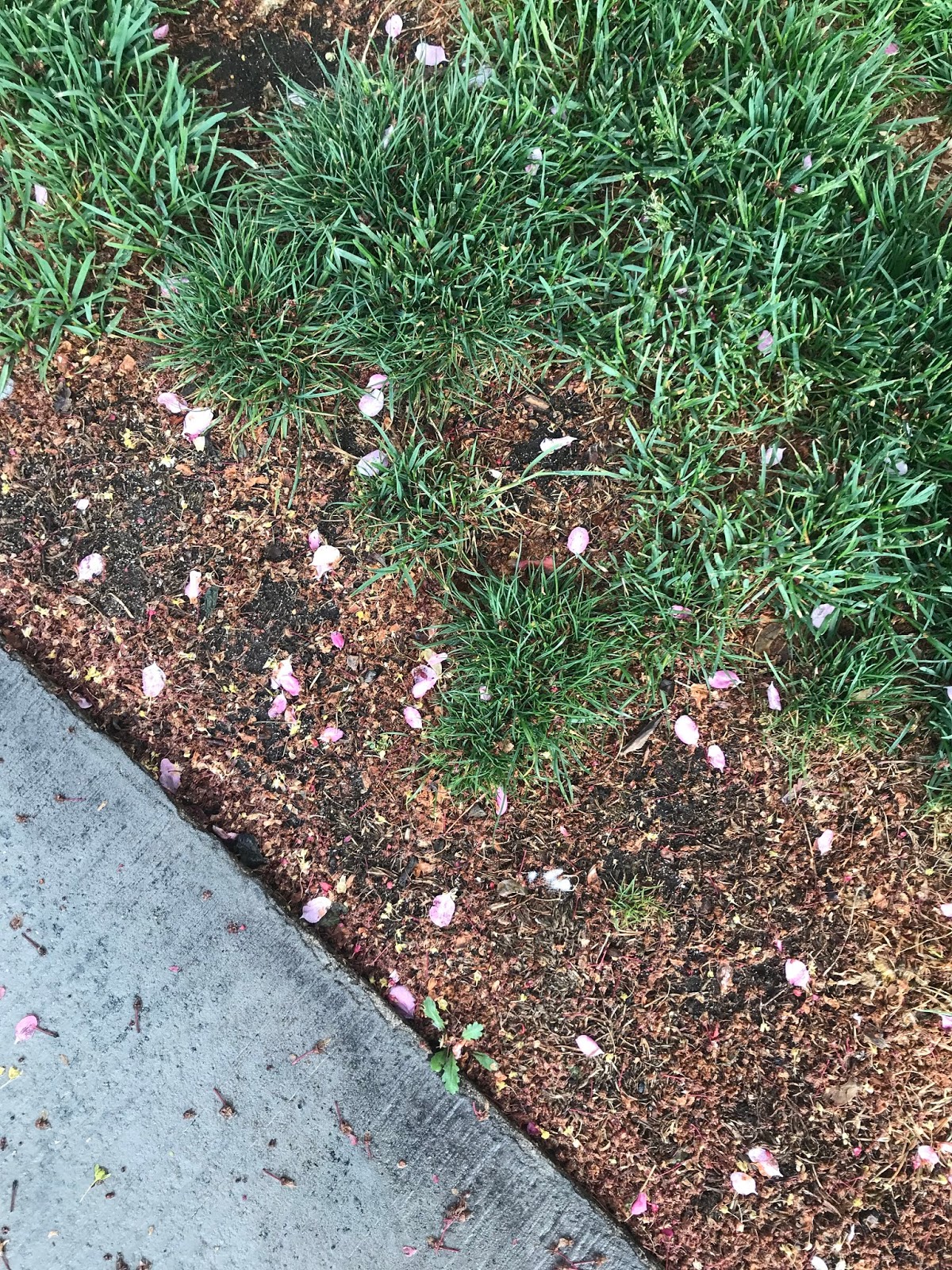
Today let's do an Up & Down nature journal.

Part 1:  Look UP! 
  • Find a safe and comfortable place to lie on the ground or sit in a chair. 
  • Set a timer for 7 minutes.
  • Look up and study the sky or the trees or whatever you can see.  What do you see?  What colors, shapes, objects, or animals do you see?  Record your observations.  You may use words and/or pictures.


Part 2:  Look DOWN!
  • Find a safe and comfortable place to lie on the ground or sit in a chair. It's also ok to walk or crawl around.
  • Set a timer for 7 minutes.
  • Look down and study the soil, plants, insects or whatever you can see.  What do you see?  What colors, shapes, objects, or animals do you see?  Record your observations.  You may use words and/or pictures.


There is a note-catcher here that you may use.  But you can also create your own. 
Have Fun!

Send a picture of your journal (and a picture of you outside if possible) to Ms. Dolan: adolan@hccs481.org          ms.dolans_science


Wednesday, April 22, 2020

Thursday, April 23rd: Waves Review

Let's Review Vocabulary Related to Waves!

Task 1:
Click through the slides to review key vocabulary.


Task 2:
Watch the two short videos to see the difference between compression and transverse waves. 


(I definitely mixed up the labels in this second video!  I'm sorry!! Transverse are back and forth.  Longitudinal and compression waves are the same)


Task 3:
Watch the video to check your answers to the 7 questions from yesterday.


Task 4:  Email Ms. Dolan.  Tell her:
     1.  How well you think you understand waves (scale of 0 to 5).
     2.  What you don't quite understand yet.
     3.  What you need to help you understand.
     4.  What was most helpful for you learning about waves. 


Tuesday, April 21, 2020

Wednesday, April 22nd: Practice with Waves

Yesterday you were introduced to waves with a video and reading.  
Let's practice these concepts today.

Use the reading to answer these questions.
Come to today's Zoom meeting ready to ask about anything you don't understand.  

Send your answers to Ms. Dolan: adolan@hccs481.org   ms.dolans_science
An answer key will be posted tomorrow for you to check your work.

Wave characteristics review (article) | Khan Academy